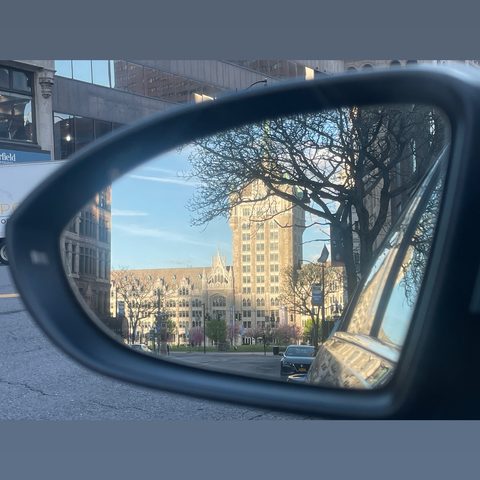
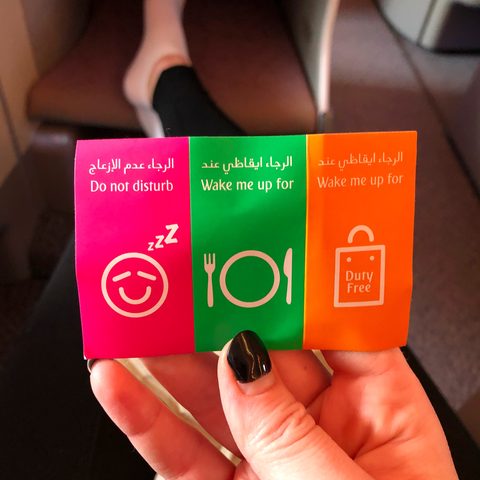
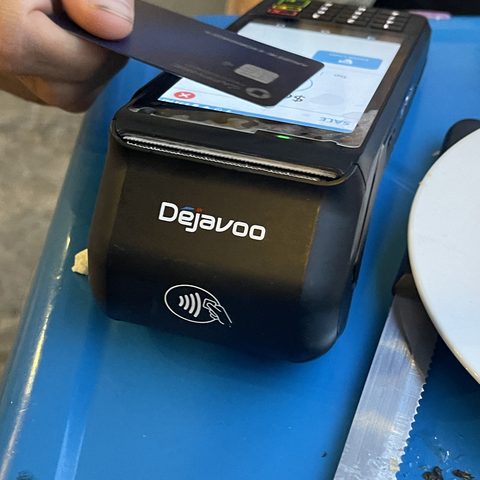
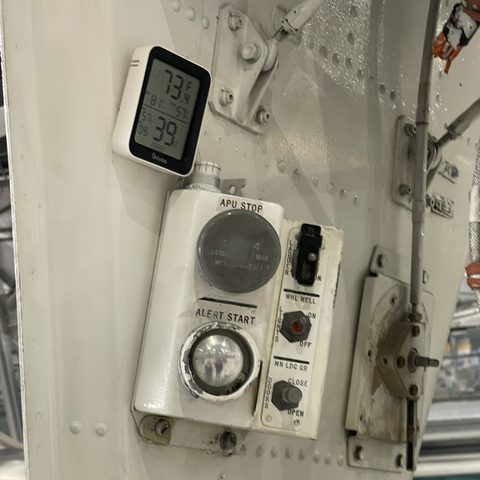
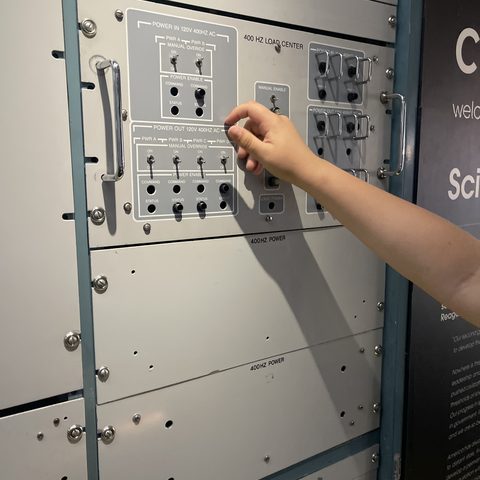
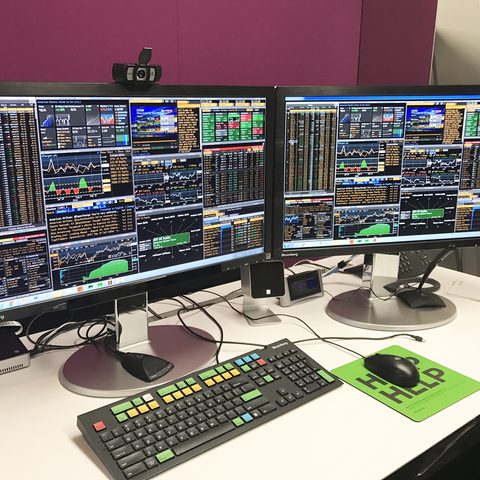
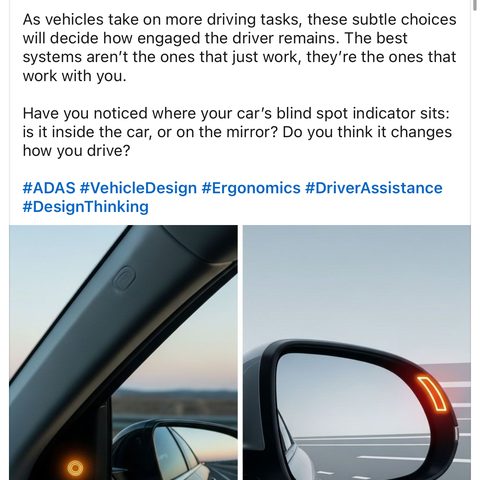
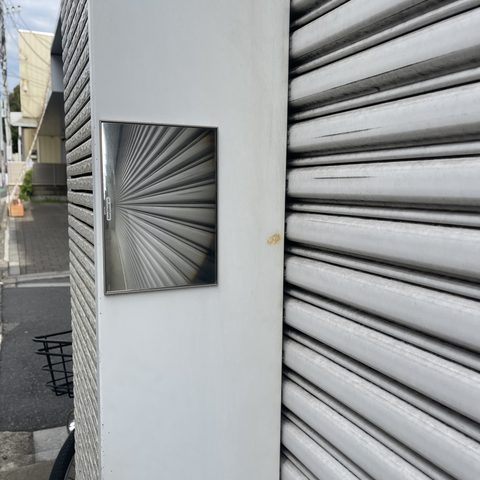
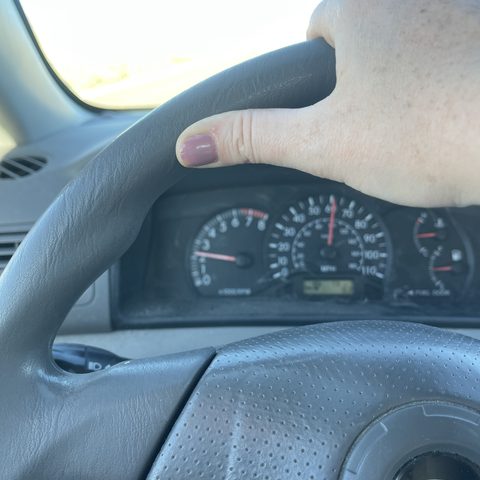
These examples place information at the edge of attention, where a person can notice it without looking at it directly. The periphery can be a glance, a change in the room, or a sound in the background. It can also be a tactile dot on an elevator button, a foot pedal, a window we can see the outside from, or ridges on a dial. A person can choose to focus directly on it, but it's not necessary.
We can craft with our hands while listening to the radio. We cannot drive a car and look at our phone at the same time, because a phone takes all of our primary attention to use. It is flat and doesn't use our tactile senses. We can physically multitask, but we can't mentally multitask. Peripheral attention allows for multiplexing.
15 images